
Federal Pacific breakers, often called FPE breakers, were a staple in many homes from the 1950s through the 1980s. Back then, they were seen as affordable and easy to install. But over time, people began noticing serious safety problems. These breakers have been linked to electrical fires and other hazards because they often fail to trip when necessary. If you live in an older home, understanding why Federal Pacific breakers are dangerous is critical for your safety.
Key Takeaways
- Federal Pacific breakers were widely used in homes built between the 1950s and 1980s.
- They are known for failing to trip during electrical overloads, increasing fire risks.
- Identifying FPE breakers in your home involves checking for Stab-Lok panels and signs of wear.
- Replacing these breakers with modern alternatives is strongly recommended for safety.
- Hiring a licensed electrician can ensure your home’s electrical system is up to code.
The History and Popularity of Federal Pacific Breakers
Origins and Manufacturing Timeline
Federal Pacific Electric Company (FPE) was established in the mid-20th century, quickly becoming one of the leading manufacturers of electrical panels and circuit breakers in the United States. Their products, particularly the Stab-Lok breaker panels, gained prominence during the 1950s through the 1980s. These panels were designed to distribute electricity safely and efficiently, making them essential in both residential and commercial buildings. FPE’s reputation for affordability and innovation helped them dominate the market for decades. However, as time passed, concerns about the safety of these breakers began to emerge, overshadowing their initial success.
Why They Were Widely Used
Federal Pacific breakers became a household name largely because they were cost-effective and easy to install. Builders and contractors appreciated their straightforward design, which allowed for quick assembly during the post-war housing boom. Suburban neighborhoods were expanding rapidly, and affordable electrical components like FPE panels were in high demand. Additionally, Federal Pacific breakers were approved for use by major organizations, including the U.S. Navy, further cementing their credibility at the time. For millions of homes built during this period, FPE breakers were the go-to choice.
Transition Away from Federal Pacific Breakers
By the 1980s, the tide began to turn against Federal Pacific breakers. Studies and reports surfaced, highlighting significant safety issues, particularly their failure to trip during electrical overloads. These findings led to growing distrust among homeowners and professionals alike. Many electricians started recommending alternative brands, and newer, safer technologies began to replace FPE panels. Today, while many homes still contain these outdated systems, the focus has shifted to modern replacements that meet current safety standards. Replacing Federal Pacific Electric Panels is now a common practice to ensure homes are safe and up to code.
Key Safety Concerns with Federal Pacific Breakers
Failure to Trip During Overloads
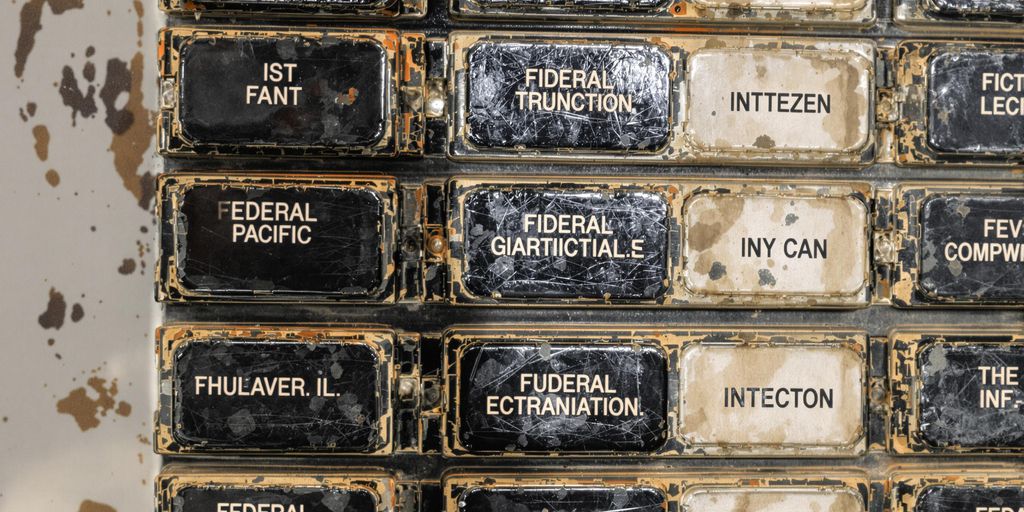
One of the most alarming flaws with Federal Pacific breakers is their failure to trip when electrical currents exceed safe levels. Normally, breakers are designed to cut off power during an overload to prevent overheating or damage. However, FPE breakers have a notorious record of staying active, even under conditions that should trigger a trip. This failure puts undue stress on the electrical system, increasing the likelihood of overheating and potential hazards.
Increased Risk of Electrical Fires
Federal Pacific breakers have been linked to a significant number of electrical fires. When a breaker fails to trip, the electrical wiring can overheat, potentially igniting nearby materials. Studies, including those by the U.S. Consumer Product Safety Commission, have shown that FPE panels have contributed to thousands of house fires, particularly throughout the 1980s. This risk is especially concerning for older homes where these panels may still be in use.
Higher Incidence of Arc Faults
Another safety concern is the higher rate of arc faults associated with FPE breakers. An arc fault occurs when electricity jumps between wires or connections, often due to damaged or loose wiring. This can cause extreme heat, which may lead to fires. Federal Pacific breakers are more prone to these faults due to their design flaws, further compounding their reputation as a safety hazard.
If your home still uses an FPE panel, it’s crucial to address these risks to protect both your property and your loved ones.
Identifying Federal Pacific Breakers in Your Home
Recognizing Stab-Lok Panels
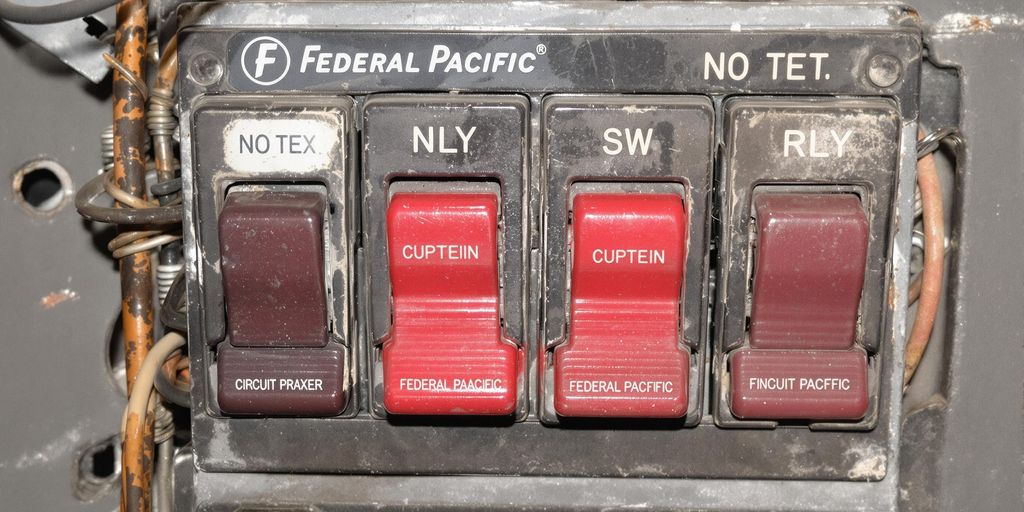
Federal Pacific breakers are often housed in panels branded as "Stab-Lok." The name "Stab-Lok" is usually printed on the inside of the panel door or near the circuit labels. This branding is the easiest way to confirm if your panel contains Federal Pacific breakers. Another telltale sign is the distinct red-striped toggle switches on the breakers themselves. These panels were predominantly installed in homes built between the 1950s and 1980s, so if your home falls within this range, it’s worth taking a closer look.
Signs of Faulty Breakers
Federal Pacific breakers are notorious for failing to trip when they should. Some warning signs include:
- Breakers that feel warm to the touch.
- A burning smell or signs of scorch marks near the panel.
- Breakers that appear "stuck" or difficult to toggle on and off.
If you notice any of these issues, it’s time to act. Faulty breakers can lead to dangerous electrical problems, including fires.
Common Installation Periods
Federal Pacific panels were most commonly installed in homes constructed during the mid-20th century, particularly between 1950 and 1985. If your house was built during this time, there’s a significant chance it may still have one of these panels installed. Homeowners in this situation should prioritize an inspection.
It’s better to address potential hazards now than deal with costly or life-threatening consequences later. Identifying a Federal Pacific panel early can save you a lot of trouble down the road.
For more details on the implications of having an FPE panel, check out this Federal Pacific Electric panel recall.
The Role of Circuit Breakers in Electrical Safety
How Circuit Breakers Function
Circuit breakers are like the unsung heroes of your home’s electrical system. Their main job? To stop the flow of electricity when something goes wrong. Think of them as automatic switches that help prevent electrical disasters. When too much current flows through a circuit—like when you plug too many devices into one outlet—the breaker trips, cutting off power to that circuit. This prevents overheating, fires, and damage to your appliances. Without this mechanism, even minor electrical issues could spiral into major hazards.
Here’s how it works:
- Electricity flows through the breaker as long as everything is normal.
- If the current exceeds the breaker’s limit, it triggers an internal mechanism.
- This mechanism “trips” the breaker, shutting off the circuit.
Importance of Tripping Mechanisms
The tripping mechanism is what makes circuit breakers so effective. It’s designed to respond instantly to issues like overloads or short circuits. When the breaker trips, it stops electricity from flowing to the problem area, giving you time to fix the issue safely. However, if the mechanism fails, it can result in serious risks like electrical fires or damaged wiring. This is why Federal Pacific breakers, which often fail to trip, are considered so dangerous.
Comparing Modern Breakers to FPE Models
Modern circuit breakers have come a long way compared to older models like Federal Pacific’s Stab-Lok breakers. Here’s a quick comparison:
| Feature | Modern Circuit Breakers | Federal Pacific Breakers |
|---|---|---|
| Tripping Reliability | High | Low |
| Safety Standards | Updated | Outdated |
| Risk of Fires | Minimal | Elevated |
Modern breakers are built to meet today’s safety standards, making them far more reliable. They’re also designed to handle the demands of modern appliances and electronics, which require more power than older systems were built to manage.
"A properly functioning circuit breaker is your home’s first line of defense against electrical hazards. Don’t underestimate its importance."
Steps to Address Federal Pacific Breaker Issues
Inspecting Your Electrical Panel
The first step is to take a close look at your electrical panel to determine if it contains Federal Pacific breakers. Look for the "Stab-Lok" label, which is a telltale sign. If you’re unsure or uncomfortable doing this yourself, call a licensed electrician. They can safely inspect the panel and identify any potential hazards.
When to Replace Breakers
If Federal Pacific breakers are present, replacing them is often the safest option. These breakers are notorious for failing to trip during electrical overloads, increasing the risk of fire. Replacement is not a DIY task—it requires professional expertise to ensure everything is done correctly and up to code. Replacement costs vary but are a worthwhile investment for your home’s safety.
Hiring a Licensed Electrician
Once you’ve decided to address the issue, hire a qualified electrician. Look for someone with experience in replacing Federal Pacific panels and breakers. They’ll guide you through the process, from inspection to installation of safer, modern alternatives. Remember, this is about protecting your home and family from unnecessary risks.
Taking action now can save you from costly repairs or dangerous situations later. Federal Pacific panels are associated with significant safety risks, such as fire hazards and breaker failures. Replacing these panels is essential for maintaining the security of your home.
Long-Term Solutions for Electrical Panel Safety
Upgrading to Modern Panels
Replacing outdated electrical panels, especially Federal Pacific models, is one of the most effective ways to improve safety. Modern panels are designed to handle today’s electrical loads and meet current safety standards. This upgrade can also lead to reduced energy waste and more efficient power distribution, which might even lower your electricity bills. If your home still has a Federal Pacific Stab-Lok panel, it’s time to consider an upgrade.
Regular Maintenance Practices
Routine checks are essential to keep your electrical system in top shape. Here’s what you can do:
- Schedule annual inspections by a licensed electrician.
- Tighten loose connections and replace worn-out components.
- Look out for warning signs like flickering lights or frequent breaker trips.
Staying proactive with maintenance helps prevent small issues from turning into major hazards.
Educating Homeowners on Electrical Safety
Many homeowners underestimate the risks posed by old or faulty electrical panels. Raising awareness is key. Consider these steps:
- Learn how to identify outdated panels, like Federal Pacific models, in your home.
- Understand the importance of circuit breaker tripping mechanisms for preventing fires.
- Share safety tips with neighbors or within your community to encourage widespread action.
Taking these steps not only protects your home but also creates a safer environment for your entire neighborhood.
Legal and Regulatory Actions on Federal Pacific Breakers
Consumer Product Safety Commission Findings
The U.S. Consumer Product Safety Commission (CPSC) conducted multiple investigations into Federal Pacific Electric (FPE) breakers, uncovering alarming safety issues. These breakers were found to fail at an unusually high rate, especially during overloads or short circuits. This failure to trip created serious fire hazards, with some studies estimating that FPE breakers caused thousands of house fires during the 1980s. Despite these findings, the CPSC did not mandate a recall, citing insufficient evidence to meet the legal standard for such an action at the time.
Litigation and Settlements
Legal battles have played a significant role in addressing the dangers of FPE breakers. In 1983, Federal Pacific was found guilty of fraud after evidence surfaced that the company knowingly sold defective breakers and manipulated testing results to meet safety standards. This case resulted in a $5.3 million settlement for affected homeowners. Over the years, numerous lawsuits have been filed against FPE, with many homeowners receiving compensation for damages caused by faulty panels and breakers.
Impact on Home Insurance Policies
The risks associated with Federal Pacific panels have not gone unnoticed by insurance companies. Many insurers either refuse to cover homes equipped with these panels or significantly increase premiums. In some cases, homeowners have been required to replace their FPE panels before obtaining or renewing coverage. This has added financial pressure on homeowners to address these outdated and unsafe systems.
The legacy of Federal Pacific breakers serves as a cautionary tale, highlighting the importance of rigorous safety standards and accountability in the electrical industry.
Wrapping It Up
Federal Pacific breakers might have been a go-to choice decades ago, but time has shown their flaws. From failing to trip during overloads to posing fire risks, these breakers are a concern for many homeowners. If your home still has them, it’s worth having a licensed electrician take a look. Replacing them with modern, safer options can give you peace of mind and protect your home. Electrical safety isn’t something to gamble with, so staying informed and proactive is key. At the end of the day, making the switch is a small step that can make a big difference.
Frequently Asked Questions
What are Federal Pacific breakers?
Federal Pacific breakers, also called FPE breakers, were circuit breakers used in homes and businesses from the 1950s to the 1980s. They were part of electrical panels designed to protect circuits from overloading or short-circuiting.
Why are Federal Pacific breakers considered unsafe?
These breakers often fail to trip during electrical overloads or short circuits, which can lead to overheating, fires, or other hazards. Their design flaws have raised serious safety concerns over time.
How can I tell if my home has Federal Pacific breakers?
Look for a breaker panel labeled ‘Federal Pacific’ or ‘Stab-Lok.’ Commonly, these panels were installed in homes built between the 1950s and 1980s. If you’re unsure, consult a licensed electrician.
What should I do if I have Federal Pacific breakers in my home?
Hire a licensed electrician to inspect your electrical panel. It’s often recommended to replace these breakers with modern, safer alternatives to reduce risks.
Are there legal actions related to Federal Pacific breakers?
Yes, various lawsuits and investigations have highlighted the safety issues with these breakers. The U.S. Consumer Product Safety Commission has also studied their risks.
Can I replace Federal Pacific breakers myself?
No, replacing breakers should be done by a licensed electrician. Electrical work can be dangerous and requires proper knowledge and tools to ensure safety.